
Our Science
At Lxbio Pharmaceuticals, we are committed to discover biopharmaceutical solutions that aim to transform healthcare and improve patient lives.
Our portfolio encompasses a range of innovative therapies developed through advanced biotechnological processes.

Bacteriophages Technology1
Bacteriophages are viruses that can lyse the bacteria they infect. Bacteriophages can be used alone or in combination with other antimicrobials to improve their efficacy.
The technology involves naturally occurring and genetically modified phages combined in a cocktail of lytic bacteriophages to specifically target the bacteria causing the infections, which means that each phage has only a specific host target.
The technology combines bacteriophages mixed as cocktails to broaden their properties resulting in a collectively greater antibacterial spectrum of activity.
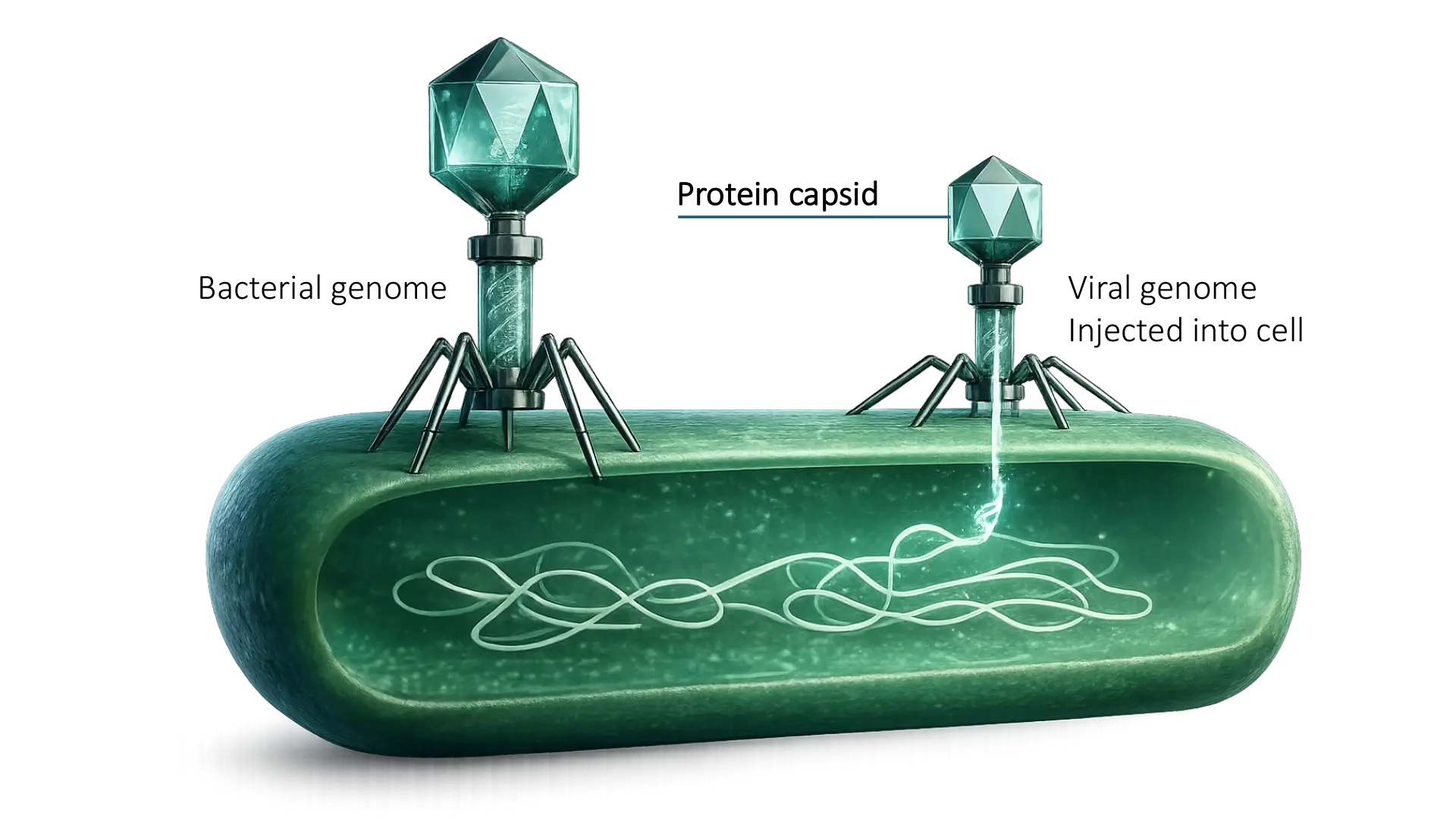
Phages infect and kill bacteria at the site of infection.
A phage will kill a bacterium only if it matches the specific strain.
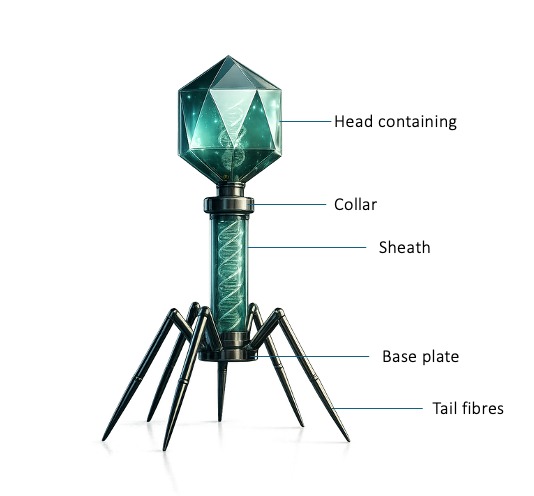
Phages are natural predators of bacteria
Phages are viruses consisting of a genome enclosed within a protein capsid that infects bacteria.
They target the dangerous microbes without harming human cells, due to how specific they are.
They are the most common biological entities in nature and have been shown to effectively fight and destroy multi-drug resistant bacteria. Namely, when all antibiotics fail, phages may still succeed in killing the bacteria and may save a life from an infection.
They are made of proteins that encapsulate a DNA or RNA genome with as few as 4 genes and as many as hundreds, in the top section.
Most phages can be classified as being lytic or temperate. Lytic phages kill a very high proportion of bacterial cells they infect and therefore are suitable for therapeutic consideration.
Phage-based Delivery Systems2
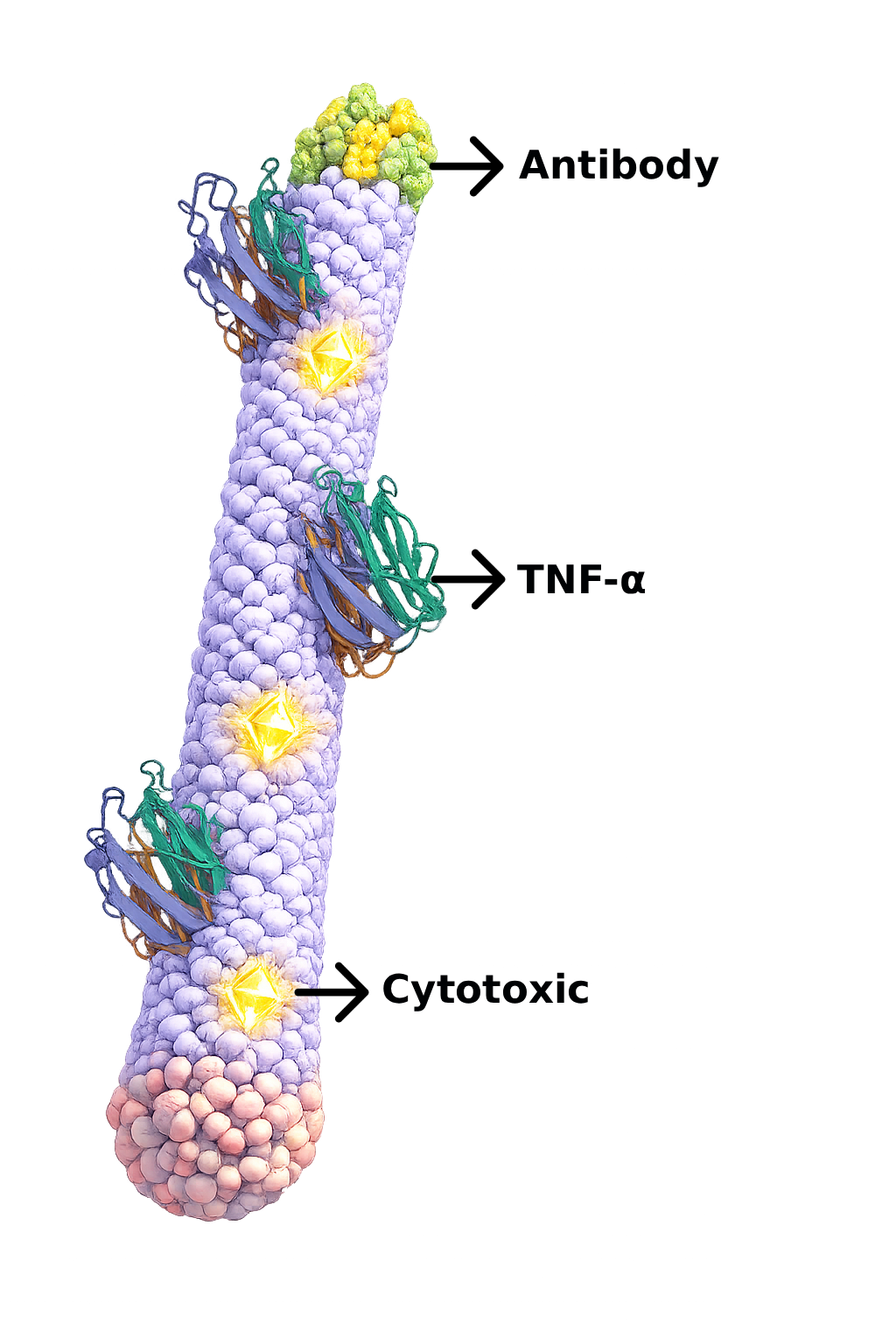
Based on a modular architecture built on a bacteriophage filamentous, the platform LXON01 is a next-generation targeted cancer therapy built using an engineered M13 bacteriophage nanoparticle.
This nanoscale platform acts as a programmable biological carrier capable of delivering targeting molecules, cytotoxic drugs, and immune-stimulating signals simultaneously within a single therapeutic system. The particle was designed with three complementary functions.
First, a HER2-targeting antibody fragment directs the particle to tumour cells that overexpress the HER2 receptor, promoting selective binding and internalisation.
Second, the phage surface could carry multiple molecules, enabling high-density drug delivery directly inside cancer cells.
Third , immune-activating cytokines displayed on the particle help stimulate local immune responses within the tumour microenvironment. By combining precision targeting, high-payload drug delivery, and immune activation, LXON01 was designed to attack solid tumours through multiple complementary mechanisms. This integrated approach aims to enhance anti-tumour efficacy while focusing activity at the tumour site, providing a new strategy for treating HER2-positive cancers resistant to current therapies.
Engineering Breakthrough Biopharmaceuticals3
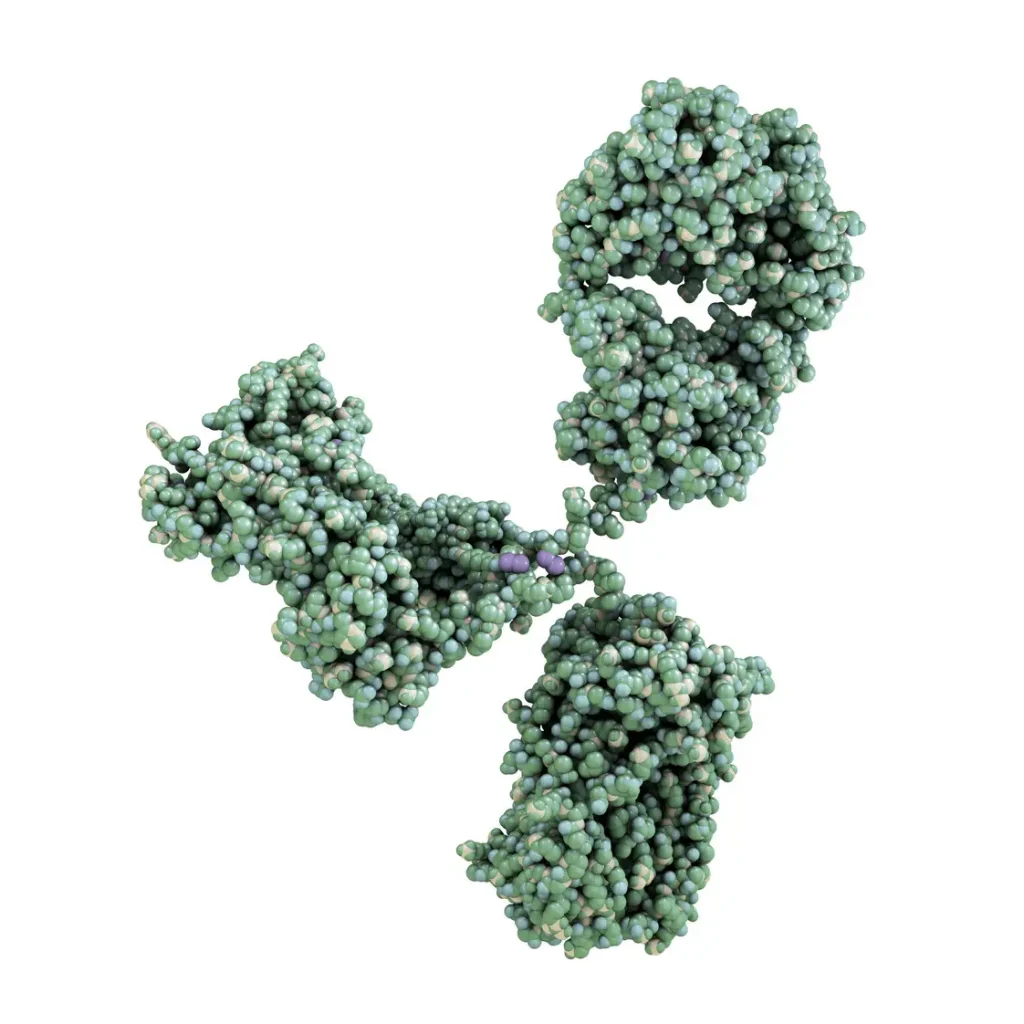
Our Antibody fragments, such as Fab, scFv (single-chain variable fragments), and nanobodies, represent a cutting-edge breakthrough in biopharmaceutical innovation. These engineered molecules are smaller, more versatile versions of full antibodies, designed to enhance treatment precision and efficacy in complex fields like oncology, ophthalmology and dermatology.
In Ophthalmology, Antibody fragments, particularly Fab fragments, have transformed the treatment of eye diseases. A Fab fragment, targets VEGF to prevent abnormal blood vessel growth in conditions like age-related macular degeneration (AMD) and diabetic retinopathy. These fragments are designed for superior penetration into ocular tissues, delivering targeted action with fewer systemic side effects, making them a critical tool in preserving and restoring vision.
In Dermatology, antibody fragments offer targeted solutions for inflammatory skin diseases and cancers. Nanobodies and scFv fragments, due to their small size and high specificity, are being engineered to treat conditions like psoriasis and atopic dermatitis. These fragments can be developed for both systemic and topical therapies, offering tailored treatments with reduced adverse effects.
Nanoparticles Technology4
Nanotechnology is revolutionizing ophthalmic medicine by enabling the development of nanoparticle- ased drug delivery systems, especially in the form of eye drops. These nanoscale particles, typically ranging from 1 to 100 nanometers, are engineered to improve drug absorption, stability, and targeted delivery, overcoming the natural barriers of the eye.
Nanoparticles advantages:
- 1. Improved drug penetration
- 2. Increased solubility
- 3. Sustained drug release
- 4. Prolonged drug retention time
- 5. Improved efficacy
- 6. Reduced toxicity
A major step forward in patient comfort, compliance, and safety.
Of utmost importance, the nanoparticle may be used topically, in eyedrops formulation, whitch can effectively treat diseases, such as age related macular degeneration (AMD), diabetic retinopathy (DR) and diabetic macular edema (DME), thus eliminating the need for invasive intravitreal injections.
Source
1 – Pires, D. P., Melo, L. D. R., Vilas Boas, D., Sillankorva, S., & Azeredo, J. (2017). Phage therapy as an alternative or complementary strategy to prevent and control biofilm-related infections. Current Opinion in Microbiology, 39, 48–56.
2 – Chang, C., Guo, W., Yu, X., Guo, C., Zhou, N., Guo, X., Huang, R.-L., Li, Q., & Zhu, Y. (2023). Engineered M13 phage as a novel therapeutic bionanomaterial for clinical applications: From tissue regeneration to cancer therapy. Materials Today Bio, 20, 100612.
3 – Nelson, A. L. (2010). Antibody fragments: Hope and hype. mAbs, 2(1), 77–83.
4 – Li, S., Han, H., Xu, M., Zhang, Y., Liu, Y., & Wang, J. (2023). Nanotechnology-based ocular drug delivery systems: Advances and future perspectives. Journal of Nanobiotechnology, 21, 232.